Loading...
Serving Marina, CA and surrounding areas. (831) 946-0764
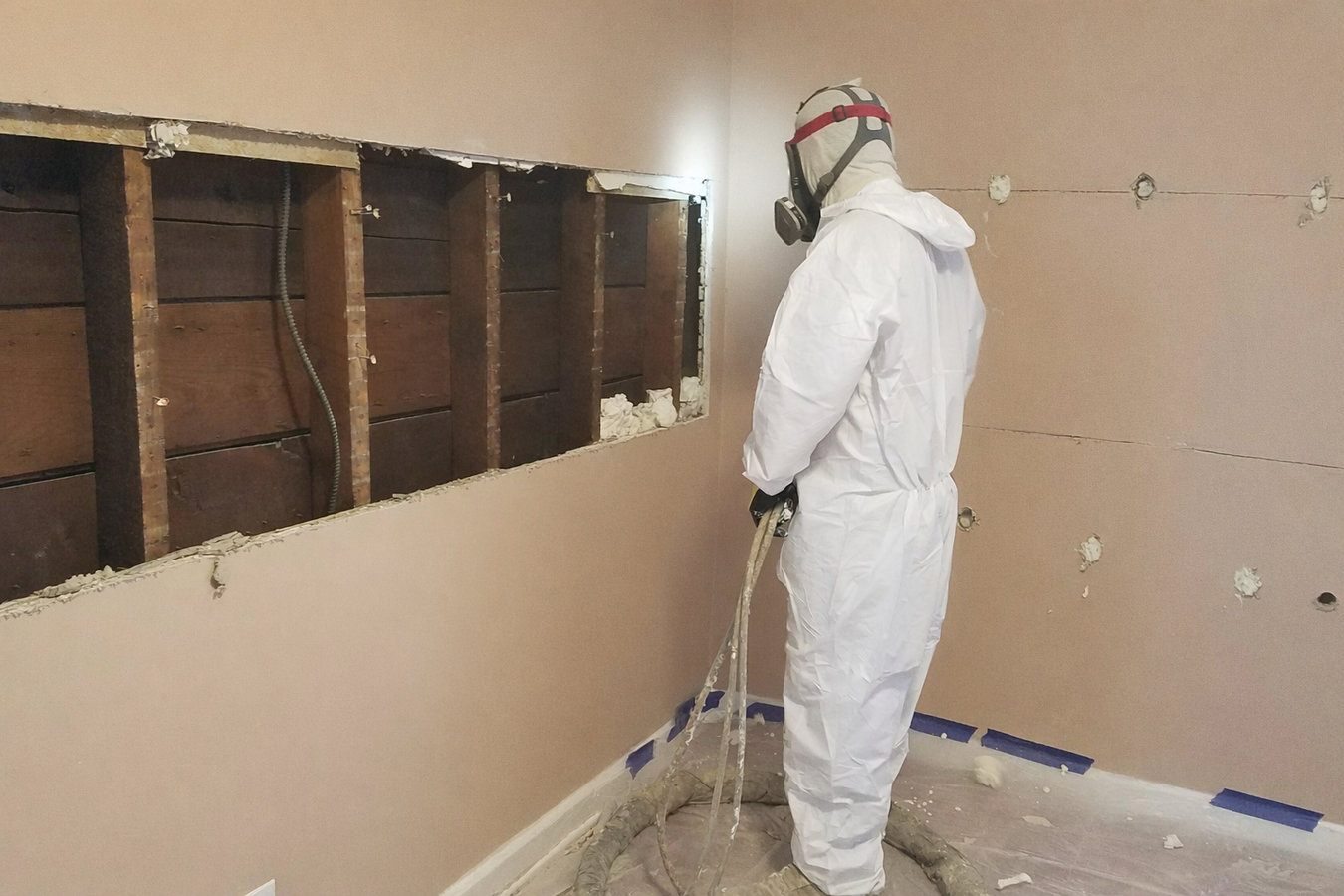
Older Marina homes lose heat through under-insulated walls, attics, and crawl spaces. We add insulation to an existing home the right way - checking for moisture first, patching cleanly, and handling PG&E rebate paperwork for you.
Retrofit insulation in Marina, CA means adding insulation to a home that is already built - using blown-in material, injection foam, or dense-pack techniques to fill walls, attic spaces, and crawl spaces through small access points without tearing out drywall or doing a major renovation.
A large share of Marina's housing was built during and after the Fort Ord military era - the 1940s through the 1970s. Those homes were built for function, not energy efficiency, and many have little or no wall insulation and minimal attic coverage. The result is a home that feels cold and clammy during the fog season, runs heating longer than it should, and costs more to keep comfortable than the mild outside temperatures would suggest. If your home was built before 1980, there is a good chance it is significantly under-insulated by today's standards. For homes where air leakage is also part of the picture, spray foam insulation can address both sealing and insulating in a single material.
The North American Insulation Manufacturers Association provides guidance on insulation performance and installation standards that applies directly to retrofit projects. What matters most in Marina's coastal climate is that moisture conditions are checked before any new material goes in - adding insulation on top of a moisture problem traps the damage rather than fixing it.
If rooms near exterior walls or above a crawl space stay chilly and slightly clammy no matter how long the heat runs, that is a strong sign your insulation is not doing its job. In Marina's foggy coastal climate, this feeling is common in older homes and gets worse during the damp season from May through August - not a quirk of the weather, but a fixable home performance problem.
Marina's climate is mild, so if your gas or electric bill seems high relative to the size of your home, your insulation is a likely culprit. PG&E's online tools can show you how your home compares to similar homes nearby. A home consistently using more energy than comparable homes is often losing heat through under-insulated walls, attic, or floor.
Remove the cover plate from an electrical outlet on an exterior wall and hold your hand near the opening. If you feel a draft or see light, there is little or no insulation in that wall cavity. This is one of the easiest self-checks a homeowner can do, and it is surprisingly common in Marina's older Fort Ord-era homes.
If you can safely look into your attic and the insulation is less than about 10 inches deep, or it looks compressed and gray rather than fluffy, it is likely not performing well. Older insulation settles over time and loses its effectiveness. In homes built before 1980, the original insulation - if any was installed at all - is often well past its useful life.
We handle retrofit insulation for Marina homes across all the areas that matter most - attics, wall cavities, floors above unheated crawl spaces, and garages. Every job starts with a walk-through to check for moisture issues and assess what is already there. If we find a problem before we start, we tell you - because adding insulation on top of a moisture issue creates a bigger problem than it solves. For whole-home comfort projects, home insulation covers the full-property approach, combining all zones into a single project.
Attic work is typically done with blown-in material through the attic hatch - a job that takes most of a morning with no disruption to daily life. Wall insulation uses small drilled holes on the interior or exterior surface, injecting material into the cavity, then patching and painting the holes so the finished result is clean. We are enrolled in the PG&E Energy Upgrade California program and handle rebate documentation on your behalf. The U.S. Department of Energy provides guidance on where and how to insulate existing homes that aligns with how we approach every retrofit project.
Best suited for Marina homes where the attic is accessible and existing insulation is thin or missing - the fastest and most impactful single-zone retrofit available.
Ideal for Fort Ord-era homes with uninsulated exterior walls - small holes drilled and patched on the surface mean no drywall tear-out and a clean finished result.
Suited for homes with cold floors and crawl spaces exposed to Marina's damp coastal soil - addresses heat loss from below and is often combined with a vapor barrier installation.
For Marina homeowners who want to address attic, walls, and crawl space in one project - the most cost-effective approach when multiple zones need attention at the same time.
Marina sits on Monterey Bay, and the marine fog that rolls in most mornings keeps the air consistently cool and moisture-laden through much of the year. Homes without adequate insulation feel cold and clammy for most of the year, not just in winter - the combination of cool, damp summers and chilly winters means heating systems run more than residents expect. That persistent coastal moisture also raises the stakes for how a retrofit is done: a contractor who does not check for existing moisture before adding material risks trapping damp air inside the wall cavity, which can lead to mold growth that is invisible and expensive to address. Homeowners in nearby Pacific Grove, CA deal with the same coastal conditions and the same need for a moisture-first approach.
The Fort Ord-era housing stock that makes up much of Marina's residential neighborhoods was built quickly and to military utility standards - not to the energy efficiency standards California requires today. Many of these homes have little to no wall insulation, minimal attic coverage, and unprotected crawl spaces. California's Title 24 energy code sets minimum insulation standards for permitted renovation work, so if you are planning an addition or remodel alongside the insulation upgrade, your contractor needs to know those requirements. Homeowners throughout Carmel-by-the-Sea, CA face similar challenges with older coastal homes and the same Title 24 compliance questions.
We ask a few basic questions - the age of your home, what areas you are concerned about, and any comfort problems you have noticed. We reply within one business day and schedule an in-person visit before giving you any numbers.
We walk through your home, inspect the attic, crawl space, and walls, and check for moisture or mold issues before recommending anything. This visit takes 30 to 60 minutes, and we explain what we find in plain language before we leave.
You receive a written estimate breaking down what work is recommended, where it will be done, and what it will cost. We also walk you through any PG&E rebates your project qualifies for. You should never feel pressured to sign on the spot.
The crew arrives with blowing equipment and gets to work. Attic jobs typically finish in two to four hours. Wall work takes longer due to drilling and patching. When finished, we walk you through what was completed and show you photos. Patched wall holes need a day or two to dry before painting.
Free in-home estimate, no obligation - we will tell you exactly what we find and what it will cost.
(831) 946-0764Marina's coastal air is relentless, and adding insulation on top of a moisture problem creates a mold issue inside the wall that you cannot see. We inspect for existing moisture before recommending any material, because protecting your home's structure matters more than completing a job quickly.
We have worked on a significant number of Marina's mid-century military-era homes and know their framing patterns, typical wall cavity depths, and the access challenges that come with stucco exteriors. That familiarity means faster work and fewer surprises on the day of the job.
We are enrolled in the PG&E Energy Upgrade California program and handle the rebate paperwork on your behalf. You do not need to figure out the forms or chase documentation - we submit everything and confirm the rebate is on its way before we close out the project.
We back every retrofit with a written scope, before-and-after photos, and references from recent Marina jobs. Reviewing that documentation takes just a few minutes and shows you exactly how we work. We encourage every homeowner to ask for the same from any contractor before hiring.
Between the moisture inspection, the documented work photos, the PG&E rebate handling, and references from recent local jobs, Marina homeowners have a clear way to evaluate whether we are the right fit - before a single dollar changes hands.
Spray foam seals and insulates in one step - ideal for attics and crawl spaces where air leakage and insulation loss are both a problem.
Learn MoreComprehensive insulation assessment and installation covering every zone of your Marina home in a single coordinated project.
Learn MoreWe are booking jobs in Marina now - reach out and lock in your date before another fog season makes those cold rooms harder to ignore.