
Loading...
Serving Marina, CA and surrounding areas. (831) 946-0764
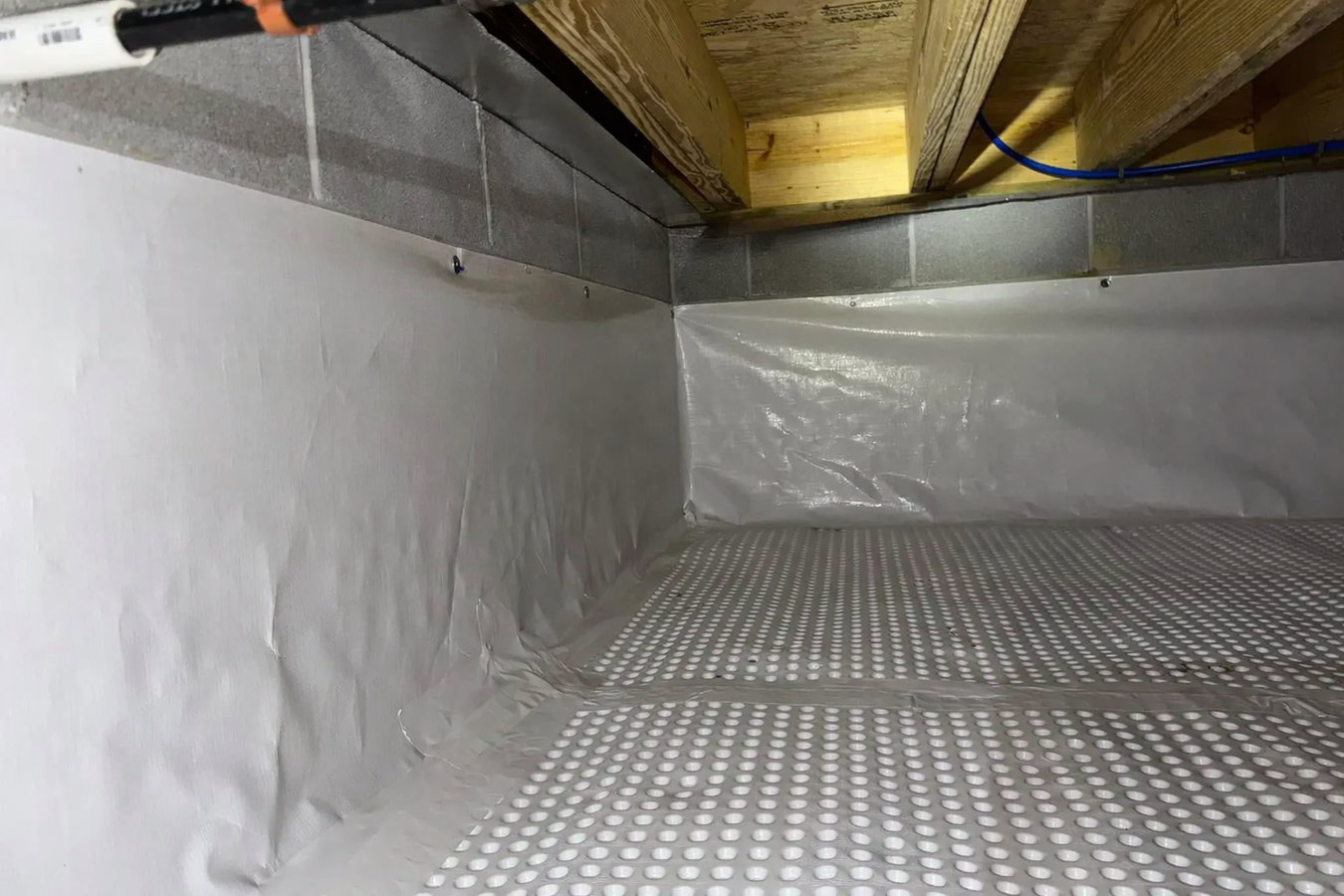
Marina's coastal fog keeps crawl spaces damp year-round. Proper insulation and sealing blocks that moisture before it damages your floors, your wood structure, and your comfort.
Crawl space insulation in Marina, CA is material installed in the narrow space beneath your home's floor to slow the movement of heat, cold, and moisture between the ground and your living areas - most jobs on a standard single-family home are completed in one to two days, depending on whether old material needs to come out first and whether a vapor barrier is part of the scope.
For Marina homeowners, the moisture side of this equation matters most. The town sits directly on Monterey Bay and experiences heavy coastal fog for much of the year. That moisture does not stay outside - it works into unprotected crawl spaces through vents and gaps, and once it is in, it starts degrading your insulation, your wood framing, and your air quality. Many homeowners combine crawl space work with a crawl space vapor barrier to address moisture at the ground level as well, which is often the most effective long-term approach in this climate.
Marina's housing stock adds another layer to this. A large share of homes were built during the Fort Ord military era - the 1960s through the 1980s - and many have original crawl space insulation that has been compressing and absorbing moisture for 40 or more years. If your home is in that age range and the crawl space has never been inspected, the insulation is very likely doing little or nothing at this point.
A damp, earthy smell inside your home - especially near baseboards or in rooms at the back - often comes from below. In Marina's foggy coastal climate, crawl spaces that are not sealed collect moisture year-round. That moisture creates the conditions for mold and mildew, and the smell is your home's way of telling you something is off underneath.
If your floors feel noticeably cooler than the rest of the room, or if certain spots give slightly underfoot, the insulation under your floor may have failed. In older Marina homes, original insulation often sags away from the floor over time, leaving gaps that let cold air and moisture in. A soft spot can also signal that moisture has been sitting long enough to affect the wood structure.
Marina's climate is mild, and your energy bills should reflect that. If they have climbed over the past few years without an obvious reason, a poorly insulated crawl space is a likely cause. Heat escapes through the floor in winter and enters through it in summer, and your heating and cooling system works harder to compensate.
If you have looked into your crawl space and seen water pooling, wet soil, or condensation on pipes and wood, the space needs attention. Marina's sandy, permeable soil means moisture moves quickly after rain or heavy fog. Pest-damaged or missing insulation is also an open invitation for rodents drawn to the warmth and nesting material old insulation provides.
We install crawl space insulation in two main configurations depending on what your home needs. For vented crawl spaces, we install insulation between the floor joists - the wooden beams directly under your floor - to slow heat loss from your living areas into the space below. For homes where moisture is a bigger concern, we recommend a sealed approach: closing off the crawl space vents, lining the ground and walls with a thick plastic barrier, and insulating the walls of the crawl space itself. This treats the space as part of the home's controlled environment rather than leaving it exposed to outdoor air. We also pair crawl space insulation with wall insulation when homeowners want to address multiple heat-loss paths at once.
Before we install anything, we inspect the existing conditions thoroughly - checking for old or damaged insulation, moisture levels, pest activity, and whether the vents are helping or hurting. If old material needs to come out first, we handle that as part of the project. The goal is always to address the underlying conditions before installing new insulation, not to cover over problems that will cause the new material to fail just as fast as the old.
Homes with vented crawl spaces where the priority is reducing heat loss through the floor and improving comfort in rooms above.
Marina homes where coastal moisture is actively entering the crawl space - seals vents, lines the ground and walls, and controls humidity at the source.
Homes with original Fort Ord-era or otherwise degraded insulation that needs to come out before new material can be installed properly.
Homes where water or condensation is visible in the crawl space - a ground liner is often the first step before any insulation work begins.
Marina's position on Monterey Bay makes it one of the foggier spots on the Central Coast. The marine layer rolls in almost daily from late spring through summer, and even in winter the air stays damp compared to inland areas. That persistent moisture is the enemy of an uninsulated or poorly sealed crawl space - it works through vents and gaps in the foundation, soaks into insulation and wood, and creates the conditions for mold, rot, and pest activity that homeowners usually do not discover until the damage is already significant. Homeowners in Pacific Grove and Monterey face similar conditions, but Marina's sandy soil adds an additional factor: water moves quickly through the ground here after rain or fog events, and it can accumulate under homes faster than homeowners expect.
California's Title 24 building energy standards set minimum insulation requirements for permitted work in the Monterey Bay climate zone, which means any insulation project we pull a permit for is inspected against a defined standard. That is good for you: it means the work has to be done correctly to pass, and you get an official record that it was. For older Marina homes that have never been touched, the difference between original 1960s insulation and a properly installed and inspected crawl space is not subtle - it shows up in how your floors feel, how your home smells, and what your heating bills look like.
We ask about your home's age, any smells or moisture issues you have noticed, and whether the crawl space has ever been insulated before. We respond within 1 business day and schedule a time to come out - no obligation and no phone quotes.
We physically enter the crawl space to check existing insulation, moisture levels, pest damage, and vent conditions. This inspection takes 30 to 60 minutes, and we explain what we found in plain language before we leave.
You receive a written estimate that breaks down what is recommended and what it will cost. If the project requires a permit - common for encapsulation work in California - we explain the process and handle pulling the permit on your behalf.
The crew removes old material, addresses any moisture issues, and installs new insulation in one to two days depending on scope. Before we leave, we walk you through what was done and what to watch for in the weeks after.
We respond within 1 business day. Written estimates after a real inspection - no guesswork, no pressure.
(831) 946-0764Any permitted work we do meets California's current energy standards for the Monterey Bay climate zone. An independent inspector signs off on the job, giving you an official record that the work meets the required standard.
We never install new insulation over an existing moisture problem. Every job starts with a thorough inspection of the crawl space conditions, and we address water or vapor issues before anything new goes in.
We have worked in many Marina homes built during the Fort Ord years and understand the construction details common to that housing stock - including the sandy soil conditions that affect how moisture moves under these homes.
Your estimate covers labor, materials, and any required permit fees before you commit. What you agree to is what you pay - there are no extras discovered after the crew starts work.
Crawl space work done right makes a real difference in a coastal home. We have seen what years of unaddressed moisture does to floors and framing in Marina, and we build every project around preventing that outcome - starting with an honest inspection and ending with work you can verify through the permit record.
Pair crawl space work with wall insulation to close the remaining heat-loss paths in your home's building envelope.
Learn MoreA ground liner controls soil moisture at the source and is often installed alongside new crawl space insulation in Marina's wet conditions.
Learn MoreCall today or request a free estimate online - the sooner your crawl space is sealed and insulated, the sooner your home stops fighting Marina's coastal moisture.