
Loading...
Serving Marina, CA and surrounding areas. (831) 946-0764
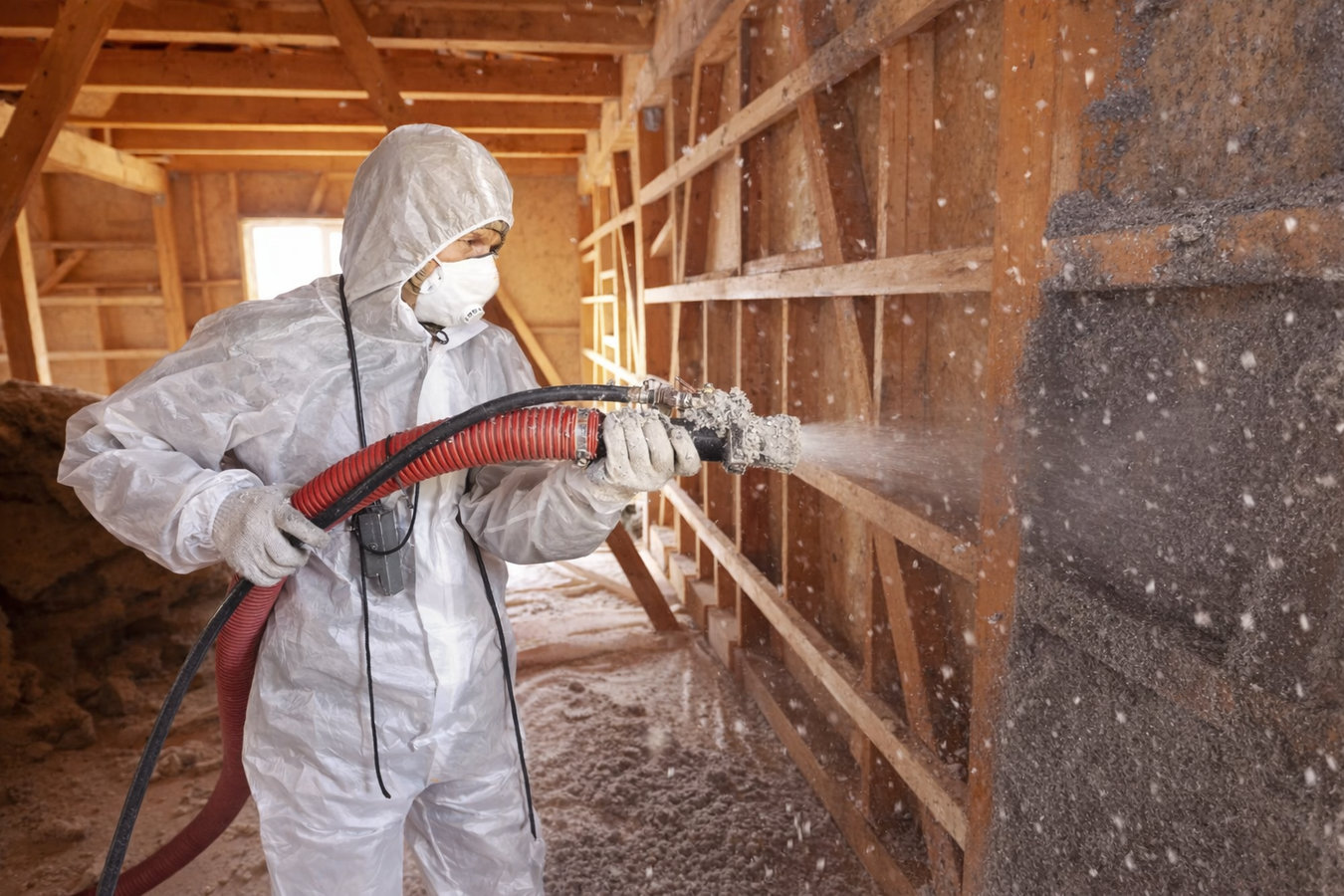
If your Marina home has rooms that never feel quite right, the fix is usually in the walls and attic. We assess every zone and insulate the parts that are actually costing you comfort.
Home insulation in Marina covers the attic, exterior walls, and any crawl space under your home using the right material for each zone - most projects are completed in one to two days and you can stay in your home throughout.
A large portion of Marina's housing was built during the Fort Ord years - the 1950s through 1970s - to military minimum standards. That original insulation has had decades to settle, absorb moisture from the coastal air, and lose most of its effectiveness. The result is a home that feels perpetually cool in the morning, has rooms that never quite reach the right temperature, and sends a bigger-than-expected PG&E bill every month.
Some homeowners start with a targeted insulation removal project to clear out degraded material before new insulation goes in, while others move directly from a full home assessment to fresh coverage. For homes that have been patched over the years, we often recommend starting with retrofit insulation to add coverage around what is already there without a full tear-out.
If your energy bills feel out of proportion to how much you actually run the heat or air conditioning, poor insulation is often the culprit. Marina's mild climate means your system should not have to work very hard - so if it is, something is letting conditioned air escape.
Because Marina's coastal air is consistently moist, homes with old or damaged insulation sometimes develop a faint musty odor as moisture works its way in. If you catch a smell when you open the attic hatch or in a closet that backs up to an exterior wall, it is worth having someone take a look.
If one room is always colder in the morning or stuffier in the afternoon no matter what you do with the thermostat, that room likely has a gap in its insulation or air sealing. This is especially common in older Marina homes where additions were built at different times with different standards.
Hold your hand near an outlet on an outside-facing wall on a cool morning. If you feel a noticeable draft, the wall cavity behind it has little to no insulation. This is a quick, no-tools test any homeowner can do in five minutes - and it is a reliable signal that something is missing.
We take a zone-by-zone approach to home insulation because different parts of your home need different solutions. The attic is almost always the first priority - that is where the most heat escapes, and it is usually the quickest and most cost-effective fix. For most Marina homes, we use blown-in cellulose or fiberglass to fill the attic floor completely, paired with air sealing around fixtures and penetrations. When walls are part of the problem, we use drill-and-fill techniques that add coverage to finished walls without tearing them out. Any crawl space under the home gets its own treatment, typically including insulation between the floor joists and a removal of degraded material before new insulation goes in.
For homes that have had multiple rounds of patch work over the years, retrofit insulation lets us add coverage around what is already there without a full tear-out - a more economical path when the existing material is still in reasonable shape. The ENERGY STAR program recommends addressing both air sealing and insulation together for the best results - and that is how we approach every job.
The highest-return starting point for most Marina homes - blown-in or batt material installed to current depth requirements.
For exterior walls that feel cold to the touch - drill-and-fill coverage without opening finished surfaces.
Insulation between floor joists to address cold floors and moisture coming up from the ground.
Adding coverage to homes with some existing insulation that has settled or been patched over the years.
Marina's mild temperatures can mask poor insulation in a way that harsher climates do not. Because you are rarely dealing with extreme cold or heat, a drafty home can feel like a minor inconvenience rather than a clear problem - until your PG&E bill arrives. The constant coastal fog and damp air mean your home is losing conditioned air slowly and steadily, all year long. Homes in Monterey and Pacific Grove face the same conditions and see the same pattern: the insulation problem is invisible until it shows up in the monthly bill.
The Fort Ord housing legacy is the other key factor. A large share of Marina's homes were built quickly to minimum 1950s and 1960s standards, and the original insulation - where it exists at all - has had decades to compress, absorb moisture, and lose its effectiveness. California's building energy code sets meaningful minimum performance standards for permitted insulation work, which means any contractor working in Marina has to meet a real threshold. We install to those standards as a floor, not a ceiling - because Marina homeowners deserve coverage that actually works for their climate and their home's specific history.
Reach out by phone or through the contact form. We respond within one business day. The first conversation is short - we ask about your home's age, size, and what is prompting the call, with no commitment required.
We visit your attic, check accessible wall cavities, and assess any crawl space. The visit takes 30 to 60 minutes, and you will see exactly what we find and what we recommend before we give you a price.
You receive a written proposal covering what work will be done, what materials will be used, whether a permit is needed, and the total cost. Compare it with at least one other quote before deciding - we encourage it.
Most Marina attic jobs are done in a single day. Whole-home projects may take two days. The crew sets up protective coverings, does the work zone by zone, and walks you through the finished areas before packing up.
Free in-person assessment, written quote, no pressure. We explain every recommendation in plain terms.
(831) 946-0764We visit your home before giving you a price. An in-person assessment takes 30 to 60 minutes and tells us what is actually happening in your attic and walls - not what is typical for a home your size. That means you get a plan that fits your specific situation, not a generic upsell.
Marina's damp climate creates moisture risks that do not exist in drier inland cities. We check ventilation and look for signs of dampness before installing anything, because adding insulation over a moisture problem makes it worse. This step protects your investment.
California's building energy code sets meaningful minimum performance standards. We install to those standards as a baseline on every project, which means if you pull permits for other work later, your insulation will not be the thing that holds up the inspection.
We have been working on Marina homes for over a decade - across the older Fort Ord neighborhoods and the newer developments near CSUMB. That means we know the housing stock, the permit process, and the climate-specific challenges before we pull up to your driveway.
These are not generic selling points - they reflect how we have had to adapt our process to work well in Marina specifically. A contractor who has not spent time in this market will not know to check ventilation the way we do, or understand why the Fort Ord housing stock needs a different approach than a newer California suburb.
Safe removal of degraded or damaged insulation before new material is installed in attic or crawl space.
Learn MoreAdding insulation coverage to existing homes without full tear-out - a cost-effective upgrade path for older Marina properties.
Learn MoreWe assess, quote, and schedule fast - most Marina homeowners get a written estimate within 48 hours. Call now or submit a request online.