Loading...
Serving Marina, CA and surrounding areas. (831) 946-0764
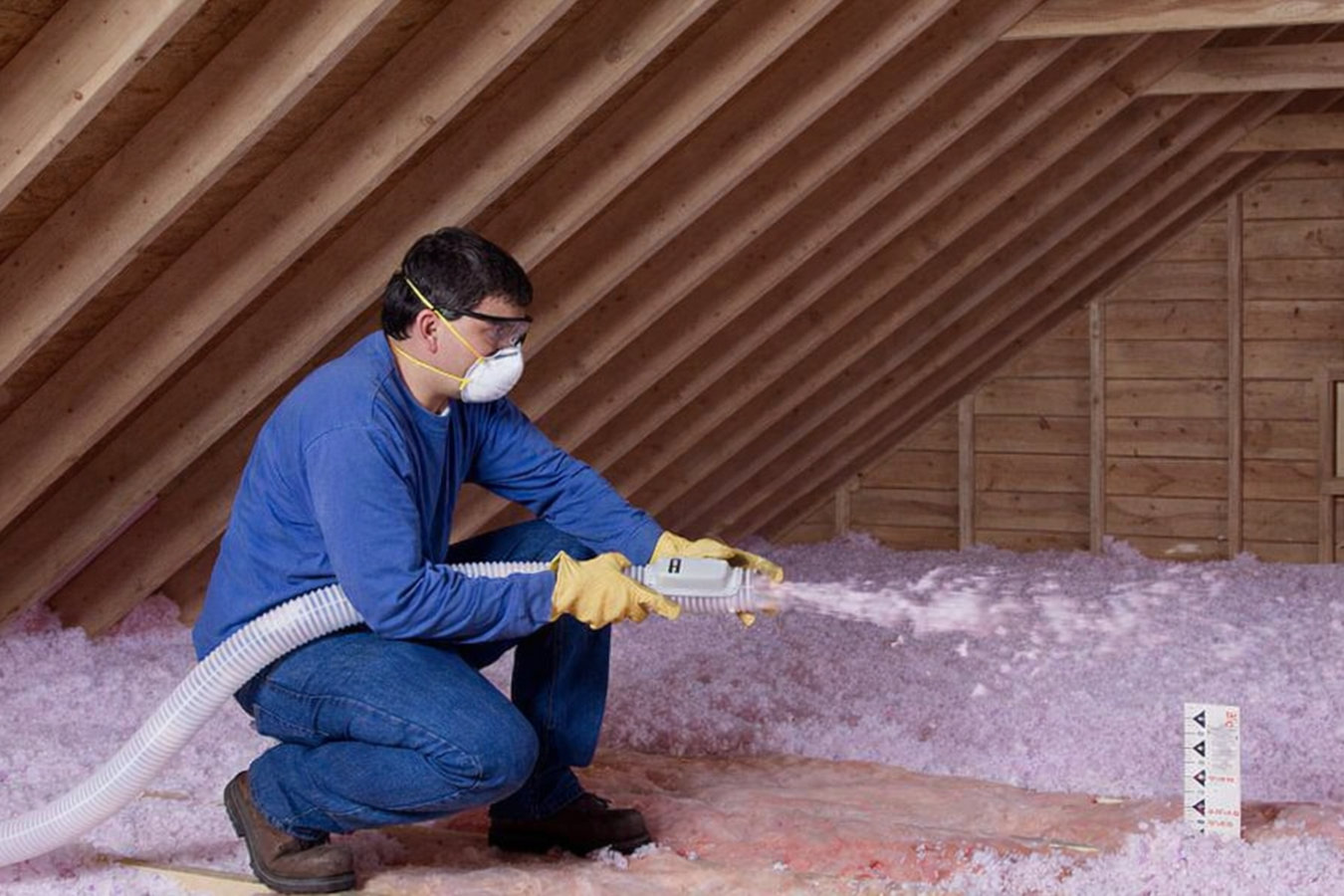
Drafty rooms and high heating bills are signs your attic is not fully covered. Blown-in insulation fills every gap so your home stays warm on foggy Marina mornings.
Blown-in insulation in Marina uses loose cellulose or fiberglass material pumped through a hose to cover your attic floor completely, filling corners and irregular spaces that rigid batts cannot reach - most attic jobs are finished in a single day with no curing time required.
Marina homes lose heat steadily through thin or patchy attic coverage, not in dramatic cold snaps but in the low-grade chill that comes with coastal fog rolling in off Monterey Bay. If your home was built during the Fort Ord era, the original attic insulation has almost certainly settled and thinned over the decades. Blown-in material is one of the most effective fixes because it conforms to whatever your attic throws at it.
Many homeowners pair blown-in attic work with whole-home insulation to address walls and other areas at the same time, or add wall insulation for rooms that still feel drafty after attic work is done.
If you are running your furnace regularly but rooms still feel cold or drafty, your insulation may not be doing its job. In Marina, where the marine layer keeps temperatures cool year-round, poorly insulated homes feel perpetually uncomfortable - not just on the coldest days. This is one of the most common complaints in the Fort Ord-era neighborhoods.
Grab a flashlight and look into your attic hatch. If you can clearly see the tops of the wooden beams running across the floor, your insulation is too thin. Properly insulated attics in this climate should have insulation deep enough that those beams are fully buried.
Marina's mild climate means your heating system should not have to work very hard. If your energy bills feel out of proportion to the size of your home, heat escaping through a thin attic layer is a likely culprit. Comparing usage to similar nearby homes can help confirm whether something is off.
Because Marina's air is consistently damp, attics in older homes here are prone to moisture buildup. If you notice a musty odor near your attic hatch, or see any signs of condensation or staining on the underside of the roof, both your insulation and ventilation need attention before the problem gets worse.
We install blown-in cellulose and fiberglass insulation throughout the Monterey Bay area. Cellulose insulation is made from recycled material and excels at filling odd attic shapes - it is a popular choice for the irregular framing found in Fort Ord-era homes. Fiberglass blown-in offers excellent moisture resistance, which matters in Marina's consistently damp coastal climate. Both materials pair well with comprehensive home insulation work that covers more than just the attic.
When walls are part of the problem, we can also pair attic blown-in with wall insulation using drill-and-fill techniques that add coverage without opening up your finished walls. Every job starts with air sealing - filling the gaps around pipes, wires, and fixtures that let conditioned air escape - because insulation alone cannot stop a draft. The U.S. Department of Energy recommends air sealing as the critical first step before any insulation upgrade.
Best for older homes with irregular framing and attic spaces that rigid batts cannot cover evenly.
A moisture-resistant option well suited to Marina's damp coastal climate and homes near the bay.
For homeowners who need to add coverage to finished walls without a full gut renovation.
The complete package - gaps sealed first, then insulation installed - for the best comfort results.
Marina sits at the northern edge of Monterey Bay, where marine fog rolls in most mornings and afternoon temperatures rarely climb above the mid-60s even in July. That steady, low-grade chill is different from the dramatic cold snaps that push homeowners in colder climates to act - but it adds up on your gas bill just the same. Blown-in insulation is particularly effective here because it creates a continuous barrier that addresses diffuse, persistent heat loss rather than just peak-cold events. Homes near Seaside and Castroville share many of the same coastal exposure conditions and benefit from the same approach.
The Fort Ord legacy means a large share of Marina's housing stock was built quickly to military standards in the 1950s through 1970s - well before California's modern energy codes took effect. Many of these homes have little or no effective attic insulation remaining after decades of settling and moisture exposure. Marina's flat, sandy terrain also means homes have little natural wind protection, so wind-driven air infiltration is a real factor. Pairing blown-in insulation with proper air sealing is especially important here because wind pressure can push cold air through gaps and undercut even a thick layer of new material.
Reach out by phone or the contact form and we will respond within one business day. We will ask a few basic questions about your home's age and what is prompting the call - no commitment required at this stage.
We visit your attic, measure existing insulation depth, check for air leaks and moisture issues, and show you exactly what we find. The visit takes 30 to 60 minutes and you get a written estimate before we leave.
On installation day, the crew seals gaps around pipes, wires, and fixtures first. Then we run the hose into your attic and blow in the material to the correct depth, confirmed by depth markers left in place for you to verify.
Once the insulation is in, we clean up and walk you through the finished attic so you can see the coverage yourself. There is no drying time - your attic is ready to use immediately.
Free in-person estimate. Written quote before any work starts. No surprise charges.
(831) 946-0764We have worked on mid-century military housing throughout Marina and know the framing quirks, access challenges, and moisture risks that come with these homes. That experience means fewer surprises and better coverage on the first visit.
We seal gaps before installing any insulation - this is the step many contractors skip because it adds time. Skipping it means cold air finds its way through even thick new insulation, which costs you money every month. We build it into every project.
Marina's coastal humidity means attic moisture issues are a real risk. We inspect ventilation and check for signs of dampness before installing anything - because adding insulation over a moisture problem makes it worse, not better.
You receive a written quote that itemizes the work - air sealing, material type, depth, and total cost - before any crew arrives at your home. The price in the estimate is the price on the invoice. The{" "}
Every one of these practices comes from doing this work in Marina specifically - not from a generic playbook. We know what this climate does to older homes and we build that knowledge into every project we take on.
Whole-home insulation assessment and installation covering attic, walls, and crawl space in one coordinated project.
Learn MoreDrill-and-fill wall insulation for finished rooms that still feel drafty after attic work is complete.
Learn MoreMarina homeowners who schedule this month get a same-week assessment. Call or submit a request now.