Loading...
Serving Marina, CA and surrounding areas. (831) 946-0764
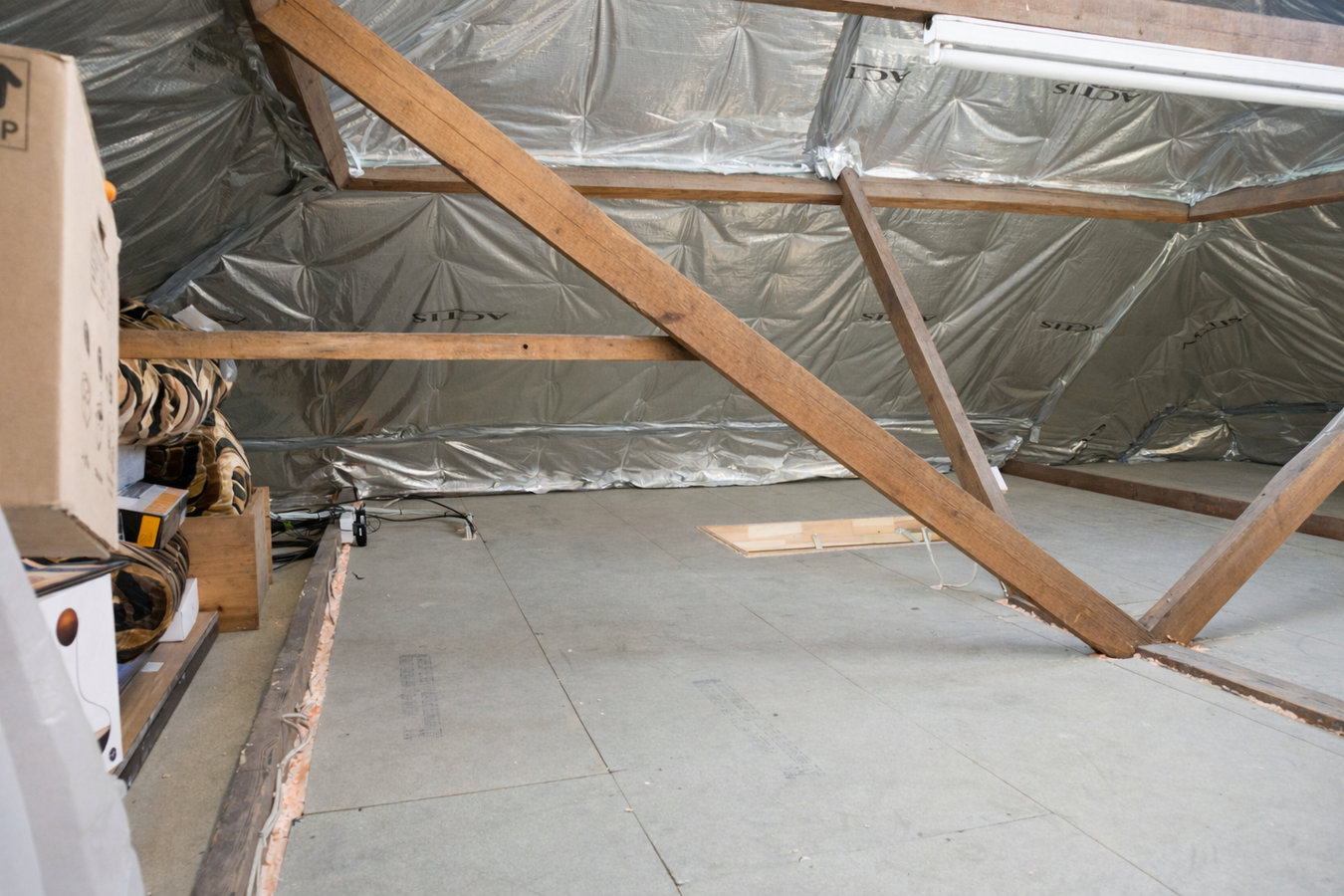
A poorly insulated attic is the single biggest source of heat loss in most Marina homes. We assess, upgrade, and seal your attic so your heating system finally keeps up - without running all day.
Attic insulation in Marina, CA acts as a thermal barrier between your living space and the outdoors, slowing heat loss through the ceiling - most single-family home jobs are completed in a single visit, often in just a few hours.
For Marina homeowners, the attic is often the most overlooked part of the home's thermal envelope. The city's moderate coastal climate creates a false sense of security - temperatures rarely get extreme, so many residents assume insulation is not urgent. But the marine layer that blankets Marina for much of the year keeps humidity high and temperatures persistently cool, and your heating system works harder than you realize to compensate. A well-insulated attic is what makes that system effective. If the gaps and bypasses around fixtures and the attic hatch are also a concern, pairing an insulation upgrade with attic air sealing delivers the most complete result.
A significant portion of Marina's homes were built during the Fort Ord military era - from the 1940s through the 1970s - under energy standards far below what California requires today. If your home is from that period and has never had an attic insulation upgrade, there is a strong chance the material up there is compressed, moisture-damaged, or simply too thin to provide meaningful protection. An honest inspection is the only way to know what you have.
Marina's marine layer keeps temperatures cool and air moist for much of the year. If your home feels chilly or clammy after the heat has been on a while, heat is escaping through the ceiling faster than your system can replace it. This is one of the most common complaints from Marina homeowners with aging insulation.
If your energy bill has risen noticeably over the past year and nothing obvious has changed, your attic insulation may be the culprit. Insulation loses effectiveness as it ages, compresses, or absorbs moisture - and the decline is gradual enough that many homeowners do not connect it to their bills until someone points it out.
Healthy insulation should look fluffy and full. If you peek into your attic hatch and the material looks compressed, patchy, or has dark staining, it is no longer doing its job. Discoloration in particular can signal moisture damage - a real concern in Marina's coastal environment.
Many Marina homes were constructed during the Fort Ord era under energy standards that would be considered inadequate today. If you have never had the attic assessed or replaced, there is a strong chance it is well below what is needed to keep your home comfortable and energy costs reasonable.
Most attic insulation jobs we handle in Marina use blown-in insulation - tiny pieces of material blown into place that fill gaps and odd-shaped spaces without tearing out walls or ceilings. It is especially practical for existing homes where you want to top up or fully replace what is already there. For attics with major air-sealing needs or structural quirks common in older Fort Ord homes, we sometimes use fiberglass batts in combination with cellulose insulation to address specific problem areas first.
Every job starts with an air-sealing step before any new material goes in. Closing gaps around recessed light fixtures, plumbing penetrations, and the attic hatch is what makes the insulation perform at its rated value rather than a fraction of it. Skipping that step is the most common shortcut in the industry - we do not take it.
Existing homes that need a top-up or full replacement - fills irregular spaces and requires no major demolition.
Attics with accessible joist bays and specific areas that need targeted coverage alongside blown-in work.
Homes where gaps around fixtures, pipes, and the attic hatch are letting conditioned air escape before insulation can do its job.
Fort Ord-era homes where the original material is compressed, moisture-damaged, or harboring pests - better to start fresh than pile more on top.
Marina's marine layer brings persistent cool, damp air from Monterey Bay for much of the year - especially from May through August when locals call it "June Gloom." That moisture does not just make summers feel chilly. Over time it works its way into attic spaces, degrading insulation and creating conditions where mold can take hold. When we inspect attics in Pacific Grove and Del Rey Oaks, we see the same pattern: moisture damage that has been silently reducing insulation effectiveness for years without anyone realizing it.
Marina's mild temperatures also create a misleading picture of how hard your heating system is working. Because it never gets brutally cold, many homeowners assume their energy use is reasonable. But a home with thin or compressed attic insulation runs its heater far more often than it should, and the difference in your PG&E bill can be meaningful month after month. California and PG&E both offer rebates for qualifying insulation upgrades that can offset part of the project cost - your contractor should help you explore those options before you sign anything.
According to the ENERGY STAR seal and insulate program, properly air-sealing and insulating your attic is consistently one of the highest-return energy upgrades a homeowner can make - especially in climates where heating is a constant, low-grade demand rather than an occasional extreme.
We will ask a few basic questions about your home's size, age, and any comfort or energy issues you have noticed. We respond within 1 business day. This helps us determine whether a quick job or a more involved assessment is the right next step.
Before any work is quoted, we physically inspect your attic. We check how much insulation is already there, whether it is in good condition, and whether there are air gaps around fixtures or the attic hatch that need to be sealed first. This is the foundation of an accurate quote.
After the assessment you will receive a written estimate that breaks down scope, materials, and total cost. We explain what we found in plain language so you know exactly what we are recommending and why. Compare two or three quotes before deciding.
Most attic insulation jobs are completed in a single visit, often in just a few hours. The crew seals any air gaps first, then installs insulation to the depth needed to meet current California standards. We do a final walkthrough and leave the work area clean.
You do not need to leave your home during attic insulation work - the job happens almost entirely above your living space. Expect a little dust near the attic hatch; covering nearby furniture is a simple precaution.
We respond within 1 business day - no obligation. After you submit, someone from our office will call to schedule a free on-site attic inspection. There is no pressure and no commitment required to get a quote.
(831) 946-0764Marina Insulation brings seasoned local crews to every attic. Every job comes with documentation you can use during a home inspection, sale, or refinancing.
We seal gaps around fixtures, pipes, and the attic hatch before adding any new material. Skipping that step is the most common shortcut in the industry, and we do not take it.
Marina is in PG&E's service territory. We are familiar with current rebate programs for qualifying insulation upgrades and can help you navigate the paperwork to reduce your out-of-pocket cost.
We never quote over the phone without seeing your attic first. You get a detailed written estimate with no surprises on installation day. No pressure and no commitment required to get a quote.
Attic insulation in a coastal climate is not the same as attic insulation in an inland city. Moisture management and proper air sealing are what separate a job that lasts from one that degrades in a few years. That is the standard we hold every job to. Contact us to schedule a free on-site assessment.
Blown-in loose fill is the most common material choice for attic upgrades - learn how it fills odd-shaped spaces and provides consistent coverage across your entire attic floor.
Learn MoreAir sealing the gaps around fixtures and penetrations in your attic is the step that makes insulation perform at its full potential - often the highest-return improvement you can make.
Learn MoreMarina's foggy season is already here - lock in your installation date before our schedule fills and start saving on your PG&E bill sooner.