
Loading...
Serving Marina, CA and surrounding areas. (831) 946-0764
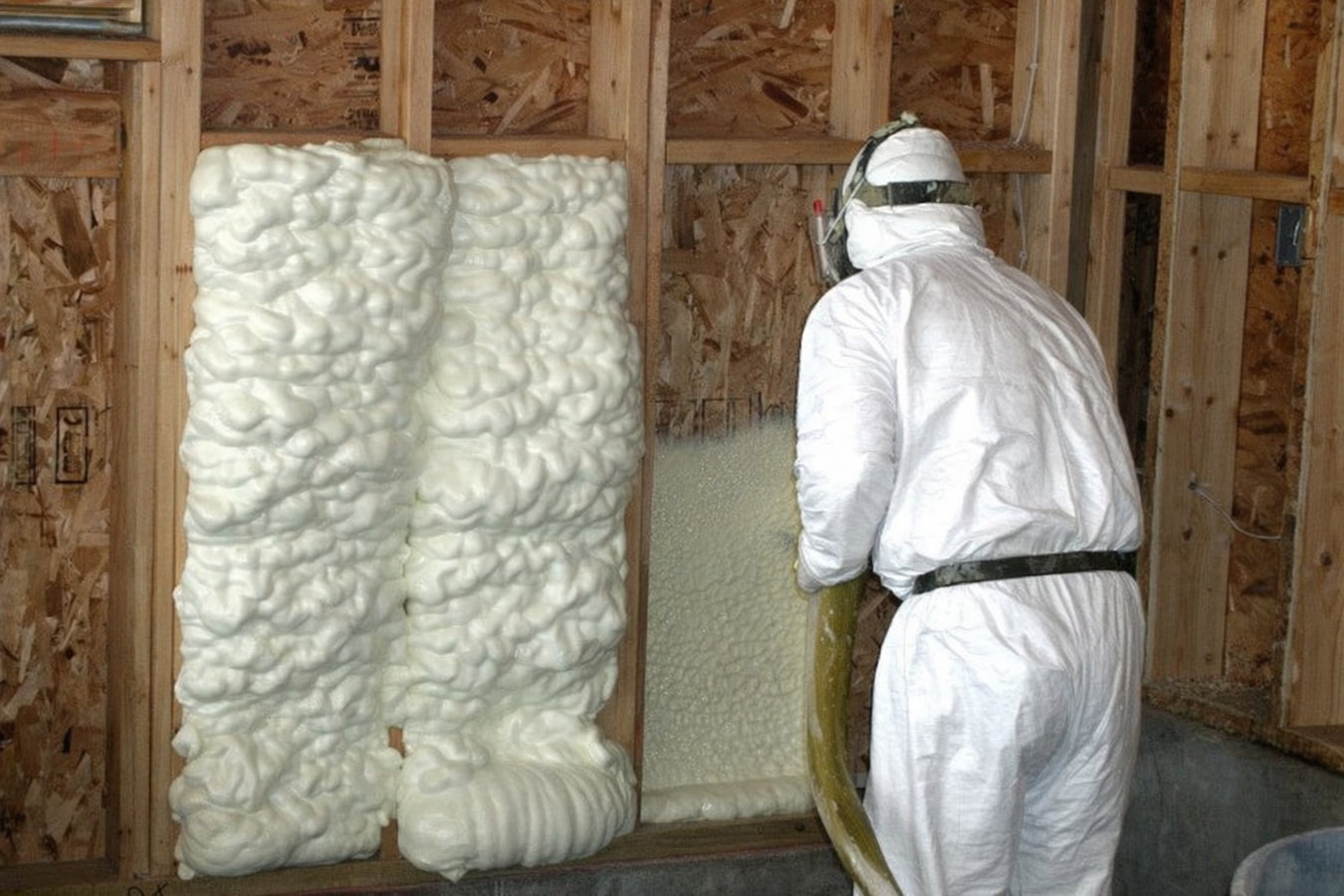
Bay winds and marine air push cold drafts through gaps that batts never reach. Open-cell foam seals and insulates in one pass, cutting heating costs and making your home noticeably quieter.
Open-cell foam insulation in Marina is sprayed as a liquid that expands to fill every gap, crack, and irregular cavity it touches, insulating and air-sealing in a single step - most residential jobs covering an attic or wall section are completed in one to two days from prep through cleanup.
Unlike fiberglass batts, which simply fill a cavity, open-cell foam conforms to the actual framing of your home and seals the air pathways that let cold, damp bay air infiltrate your living spaces. That combined effect matters more in Marina than in inland areas, where air movement is not a constant year-round factor. Homeowners who have already tried adjusting the thermostat or adding rugs often find that the real problem is the building envelope, not the heating system. For applications requiring the highest moisture resistance - such as crawl spaces or rim joists - our closed-cell foam insulation service offers a denser, waterproof alternative.
Open-cell foam is particularly well-suited to attics and interior wall cavities, where its softer, spongy structure also absorbs sound - a genuine bonus for homeowners near Highway 1 or on the windward side of the bay.
If your heater kicks on frequently but the house never quite reaches a comfortable temperature, air infiltration is almost certainly part of the problem. In Marina, the wind off Monterey Bay is relentless, and older Fort Ord-era homes were not built to resist it. Cold air sneaking in through gaps in walls and the attic means no heater can fully compensate.
Hold your hand near an exterior wall outlet or window frame on a breezy Marina afternoon. If you feel moving air, you have air leaks - and those leaks almost certainly extend through the insulation layer as well. This is especially common in homes built before 1980, where the original insulation has had decades to settle and pull away from the framing.
Marina's marine layer brings real moisture, and if your home's envelope is not well sealed, that moisture infiltrates. A persistent musty smell - especially in closets, attic spaces, or rooms on the north or west side of the house - can indicate that damp air is getting in and not getting out. Improving air sealing through open-cell foam is often the first step before the problem progresses to mold.
If you bought a Fort Ord-era home and there is no record of insulation upgrades, assume the original insulation is either inadequate by today's standards or has degraded significantly. Fiberglass batts from the 1950s and 1960s compress over time and lose effectiveness. A quick attic walk-through by a qualified contractor will tell you what you have and what you are missing.
We apply open-cell foam in the spaces where its combined air-sealing and insulating performance delivers the most value: attic rafters, interior wall cavities, and areas where sound dampening is a secondary benefit alongside thermal performance. For homes with a mix of areas requiring different materials, we can pair open-cell foam walls and attic work with our commercial insulation capabilities for mixed-use or larger properties on the same visit.
For spaces where moisture resistance is the primary concern - crawl spaces, rim joists, or basement walls - our closed-cell foam insulation service is the better fit. We will tell you clearly which product makes sense for each area of your home rather than applying the same solution everywhere. Both are permanent installations that do not sag, settle, or require periodic replacement.
Best suited for Marina attics where both air sealing and sound absorption are priorities - fills irregular rafter bays completely and reduces wind noise from above.
Ideal for walls being opened during a renovation - fills the cavity completely, eliminating the gaps and voids that batts leave around wiring and pipes.
Suited for older Marina homes where the attic has never been properly sealed - addresses both heat loss and the drafts that standard blown-in insulation alone cannot stop.
For homes that are mostly insulated but have specific cold spots or air leaks - a targeted application seals the problem areas without a full re-insulation project.
Marina sits directly on Monterey Bay, and the marine layer rolls in most mornings carrying moisture that seeps into homes through every unsealed gap. The near-constant afternoon wind off the bay - strong enough to make Marina a destination for hang gliders at Marina State Beach - means homes feel colder than the thermometer suggests. Open-cell foam addresses both problems at once: it seals the air pathways that let wind-driven moisture infiltrate, and it insulates the surfaces that let that cold transfer into your living space. Homeowners in Seaside face similar coastal conditions just to the south and see the same benefits from this type of work.
A large share of Marina's housing stock dates to the Fort Ord era - homes built between the 1940s and 1970s to house military families, often with minimal insulation that has now had decades to compress, shift, or absorb moisture. California's energy standards now set a significantly higher bar, and any permitted renovation triggers a requirement to bring insulation up to current levels. Homeowners in Monterey deal with the same Title 24 requirements and the same coastal aging conditions, which is why this type of upgrade is common across the entire Monterey Bay area.
We get back to every inquiry within one business day. Tell us your home's age, which areas you want insulated, and any comfort problems you have noticed - that lets us show up prepared rather than discovering surprises on-site.
We walk through the areas you want insulated, check existing material, and look for moisture or structural issues that need addressing first. You receive a written estimate within a day or two that breaks down the cost by area - no vague totals.
If your project requires a Monterey County building permit - common for insulation work tied to a renovation or HVAC replacement - we handle the application. This typically adds one to two weeks before work begins. You do not manage this step yourself.
The crew sets up outside, sprays in controlled passes, and cleans up overspray before leaving. A typical attic takes four to eight hours. If a permit was pulled, we schedule the county inspection and are present for it. We walk you through the finished work before we leave.
Free estimate, no obligation. We pull our own permits and handle the Monterey County inspection process from start to finish.
(831) 946-0764Most of Marina's housing stock was built as military housing between the 1940s and 1970s, with framing patterns and insulation challenges specific to that era. We have worked inside these homes and know what to expect - irregular framing, compressed original batts, and moisture pathways that a contractor without local experience will miss.
We pull permits for every job that requires one through Monterey County's building department, and we are present when the inspector comes out. That paper trail protects you when you sell your home and confirms the work was done to California's current energy standards - not to whoever offered the lowest quote.
Open-cell foam is not the right answer for every space in your home. We will tell you which areas benefit from open-cell, which need closed-cell for moisture resistance, and where a different approach entirely makes more sense. The Spray Polyurethane Foam Alliance sets the installation standards we follow.
Ask any contractor for a written scope and documentation from recent local jobs before you sign. We encourage every homeowner to review that paperwork and check references before committing to any contractor, including us.
Every one of these proof points matters most when you are spending money on work you cannot see once the crew leaves. We do this work the right way because the Monterey Bay community is where we work every day - and word travels fast in a city this size.
Insulation for Marina commercial buildings, including Fort Ord-era structures that were built with little to no thermal protection by today's standards.
Learn MoreRigid, moisture-blocking foam for crawl spaces, rim joists, and any area where salt air and ground vapor demand a waterproof insulation barrier.
Learn MoreSpring is the right time to seal air leaks before summer fog season - call today and we will get an assessor out to your home within the week.